
Steam cleaning has revolutionised the way we maintain cleanliness and hygiene within a home or office, offering a method that is both eco-friendly and effective. This cleaning process utilises the natural power of water vapour heated to a high temperature, typically around 100 degrees Celsius. The steam produced from this process is capable of dislodging dirt, grime, and stains from a variety of surfaces, from carpets to upholstery and tiles. The appeal of steam cleaning lies in its ability to clean without the need for harsh chemicals, making it a safe option for homes and offices, particularly those with children, pets, or individuals with allergies.

The methodology behind steam cleaning is straightforward yet powerful. Water is heated in a boiler to create steam, which is then directed through a nozzle, brush, or other attachment at high pressure. When applied to a surface, the microscopic steam particles penetrate pores and crevices, effectively forcing out dirt and other substances. As the steam evaporates quickly, it leaves the surfaces mostly dry, minimising the risk of mould and mildew growth. Additionally, the high temperature of the steam is adept at killing a spectrum of bacteria, germs, mould spores, dust mites, and even certain types of pests like bed bugs, contributing to a sanitised environment.
Incorporating steam cleaning into household and office chores provides an eco-friendly solution for deep cleaning without introducing toxins into the living or working space. It simplifies the cleaning process by eliminating the need for a variety of specialised cleaning agents and can be a cost-effective solution in the long term. As we become more conscious of the environmental impact and the health implications of traditional cleaning chemicals, steam cleaning stands out as a safe and sustainable choice for maintaining a clean and healthy home or office.
Benefits of High Temperature Cleaning
High temperatures are essential in steam cleaning for several reasons:
- Sanitisation: Heat effectively kills 99.99 percent of bacteria, viruses, and moulds, providing a thorough clean and disinfection.
- Allergen Reduction: Steam cleaning eliminates common allergens, including dust mites, from various surfaces.
- Chemical-Free Cleaning: Using only water and heat, steam cleaning is a safer option for both humans and the environment.
The Role of Pressure in Steam Cleaning
While heat is a critical component of steam cleaning, pressure plays an equally important role:
- Deep Cleaning: Pressurised steam penetrates surfaces more effectively than heat alone, reaching into nooks and crannies to break down ingrained dirt and grime.
- Efficiency: Pressure accelerates the cleaning process, allowing the steam to be more effective in a shorter amount of time.
Applications of Steam Cleaning
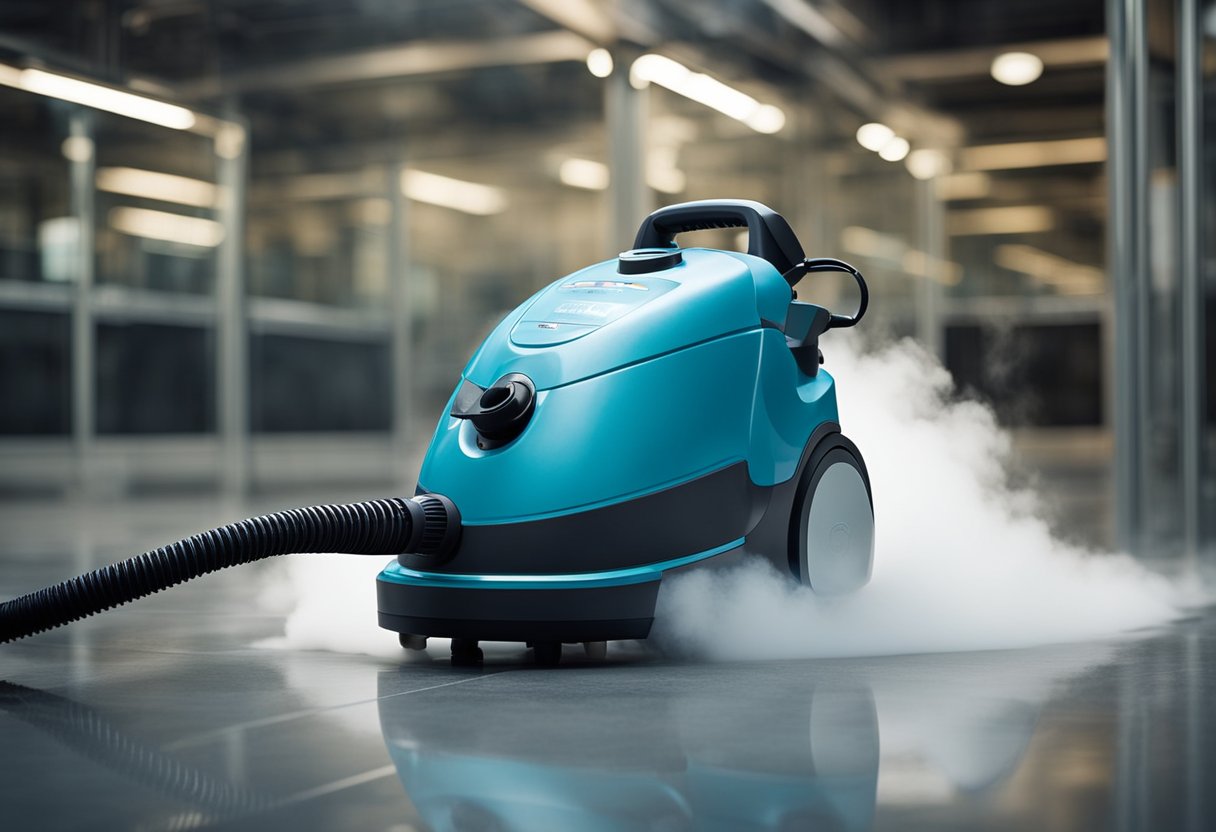
Steam cleaning serves multiple purposes, providing a chemical-free and efficient way to clean and sanitise various surfaces and items throughout the home and office.
Refreshing Carpets and Upholstery
In living and working areas, steam cleaners revitalise carpets and upholstery by removing dust, dirt, and odours. They are particularly effective for furniture like sofas and chairs, where they help eliminate allergens without the use of harsh chemicals.
Deep Cleaning Kitchens and Bathrooms
The kitchen and bathroom benefit immensely from steam cleaning, as high temperatures cut through grease on cookers and sinks. In bathrooms, steam effectively cleans tiles, grout, and fixtures, leaving them free of soap scum and bacteria.
Maintaining Hard Floors and Surfaces
Steam cleaners are adept at maintaining a variety of hard flooring—including laminates, tiles, and hardwood—without leaving residues. Steam lifts grime from floors and surfaces such as countertops and windows, offering a streak-free finish.
Safety and Precautions
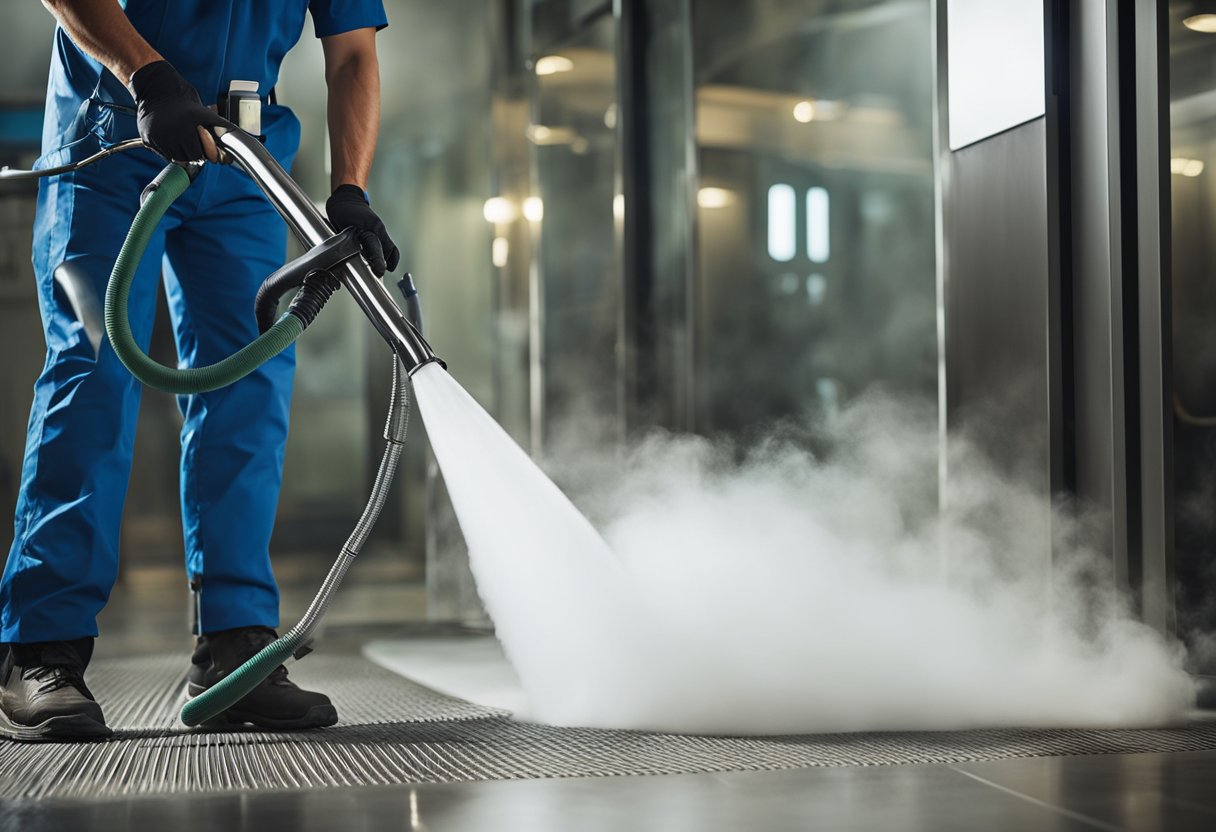
When utilising steam cleaning, it’s essential to understand the appropriate applications and safety measures to prevent material damage and ensure environmental safety.
Understanding Suitable and Unsuitable Materials
Steam cleaning is a versatile method capable of tackling a variety of materials. However, not all materials are suitable for steam exposure. Glass and tiles withstand steam well, making them ideal for removing grime. Fabric surfaces are generally good candidates, yet delicate fabrics like silk may suffer damage. When it comes to wood, caution is advised; steam cleaning can be beneficial for sealed wood surfaces but can cause harm to unsealed hardwood due to the penetration of moisture.
| Material Type | Suitability | Remarks |
|---|---|---|
| Glass | Suitable | Withstands high temperatures and moisture. |
| Fabric | Varies | Check for suitability; avoid with delicate fabrics. |
| Wood | Varies | Sealed wood is usually suitable; unsealed hardwood is not. |
| Plastic | Varies | Tolerates steam; avoid with certain types of plastic. |
| Marble | Unsuitable | May cause damage due to the porous nature of the stone. |
When cleaning painted surfaces, steam can strip water-based paint, thus handling with care is paramount.
Safeguarding Home/Office and Environment
The primary objective of steam cleaning is not just cleanliness but also the safety of one’s home and office and environment. Use steam cleaners to aid in mould mitigation by sanitising areas where mould has been detected. However, ensure that the area is well-ventilated, as trapped moisture can lead to further mould development. When it comes to laminate surfaces, steam cleaning should be avoided to prevent damage from swelling due to absorbed moisture. Always read the manufacturer’s guidelines before proceeding to ensure that the appropriate safety measures are taken to protect your possessions and environment.
Remember to:
- Test the steam cleaner on a small, inconspicuous area to check for material suitability.
- Avoid prolonged exposure to steam on the same spot to prevent moisture damage.
- Use caution with heat-sensitive surfaces to prevent warping or cracking.
By following these guidelines, steam cleaning can be a safe and effective method for maintaining a clean and healthy environment.
Choosing the Right Steam Cleaning Equipment
When selecting steam cleaning equipment, one should consider the features of various steam cleaners and the additional accessories and attachments. The right selection is essential for effective cleaning and to cater to specific tasks.
Features of Various Steam Cleaners
Steam cleaners come in several types, each with distinct features suited to different cleaning scenarios. Handheld steam cleaners are compact, ideal for small, hard-to-reach areas, and typically have a smaller water tank. Steam mops function like a standard mop but leverage steam to sanitise floors. They stand out for their simplicity and quick operation. Cylinder or canister steam cleaners are larger, feature a bigger water tank and offer longer cleaning times; they are well-suited to tackling larger areas and a variety of surfaces.
For those with a range of cleaning needs, there are multifunctional appliances that can switch between modes, acting as both a mop and a vacuum. When assessing these appliances, one should consider:
- Water tank capacity: larger tanks provide longer cleaning sessions without the need to refill
- Heat-up time: how quickly the appliance is ready to use
- Steam pressure: higher pressure means more effective cleaning
- Noise level: particularly important in noise-sensitive environments
Additional Accessories and Attachments
Accessories and attachments expand the functionality of a steam cleaner, making it a more versatile appliance. Common attachments include:
- Nozzle for concentrated steam flow
- Brushes for scrubbing tough grime
- Squeegee for cleaning glass
- Upholstery tool for furniture cleaning
Choosing a steam cleaner with the appropriate attachments is crucial for those wishing to use the appliance throughout the home and office, from kitchen appliances to bathroom tiles. Price also plays a role; while basic models are more affordable, those with a wealth of accessories can offer more value in the long term by reducing the need for additional cleaning tools. Users should also consider the ease of switching between attachments and whether the equipment offers a chemical-free cleaning experience, which is beneficial for those with allergies or environmental concerns.
Frequently Asked Questions
In this section, we address common queries about the functionality and advantages of steam cleaning, highlighting how this method tackles dirt, the alternatives it offers over traditional cleaning, its effectiveness in sanitisation, considerations for purchasing a steam cleaner, its potential limitations, and its application in bathroom cleaning.
How does a steam cleaner remove dirt and stains from surfaces?
A steam cleaner emits high-temperature vapour that loosens dirt, grime, and stains, allowing them to be wiped away more easily. The heat causes the dirt particles to break down, making them easier to remove with the cloth or brush attachment.
What are the benefits of using a steam cleaner compared to traditional cleaning methods?
Steam cleaners offer a chemical-free alternative to traditional cleaning methods, using only water to clean and sanitise surfaces. They can penetrate small crevices and pores on different surfaces, providing a deeper clean without the residue that chemical cleaners may leave behind.
Can steam cleaning effectively sanitise surfaces and if so, how?
Steam cleaning can effectively sanitise surfaces by emitting steam at temperatures high enough to kill most bacteria, viruses, and allergens. The hot vapour is capable of eliminating common household germs, providing a thorough level of cleanliness without the use of additional disinfectants.
What should one consider when choosing the best steam cleaner?
When choosing a steam cleaner, one should consider various factors such as the size of the area to be cleaned, the types of surfaces that need cleaning, the cleaner’s heat-up time, and its ease of use. Other considerations include the availability of attachments suited for different cleaning tasks.
Are there any drawbacks to using steam cleaning as a method for maintaining cleanliness?
Some potential drawbacks include the inability to use steam cleaners on heat-sensitive surfaces, such as unsealed floors or delicate fabrics, as the high temperatures may cause damage. Moreover, moisture left behind on certain surfaces can encourage mould growth if not properly ventilated or dried.
How should a steam cleaner be used in the bathroom to achieve the best results?
For optimal results when using a steam cleaner in the bathroom, one should start by thoroughly pre-cleaning the area. Then, using the appropriate attachments, clean from the top down—such as from tiles to bathtub—and finish by wiping down all the surfaces with a clean cloth to remove any loosened dirt and excess moisture.
Do you need office cleaning in Manchester? Contact us today for a free quote.
Other Recent Posts You Might Be Interested In …
- Pros and Cons of an Office Robot Carpet Cleaner: A Comprehensive Review
- Ways to Sanitise Your Office: Tips for a Clean and Healthy Workplace
- Tips for Tidying Before Your Office Cleaner Arrives: A Guide to Pre-Cleaning Preparation
- How to Reduce Cleaning Costs for Your Office: Expert Tips
- How Frequently Should Your Office Be Cleaned? A Guide to Maintaining a Clean Workplace
- Maximise Office Hygiene: Benefits of Hiring a Professional Window Cleaner
- How to Clean a Computer Keyboard: Your Step-by-Step Guide
- Benefits of Using Professional Cleaners for Your Office: Why It’s Worth the Investment
- Top 15 Spring Cleaning Tips for the Office
- Effective Methods for Removing Mould From Walls
- Eco-friendly Office Cleaning Tips
- Gym Cleaning Checklist and Cleaning Schedule
- Easy Microwave Cleaning Tips
- 10 Tips and Hacks When Cleaning an Office: Streamline Your Workspace Maintenance
- Pub Cleaning Checklist
- Office Kitchen Cleaning Tips for a Hygienic Workplace
- How to Clean Office Radiators: A Step-by-Step Guide
- 5 Uses Of Baking Soda When Cleaning Your Office
- The Ultimate Guide To How To Clean Your Leather Office Chair
- How Does Steam Cleaning Work: Unveiling the Mechanics of Steam Sanitation