
Maintaining a clean and sanitised office space is essential for the health and well-being of employees. Since the pandemic, it has become even more critical to ensure that the workplace is regularly disinfected to prevent the spread of germs and viruses. In this guide, we will explore some effective ways to sanitise your office and keep it free from harmful bacteria and viruses.
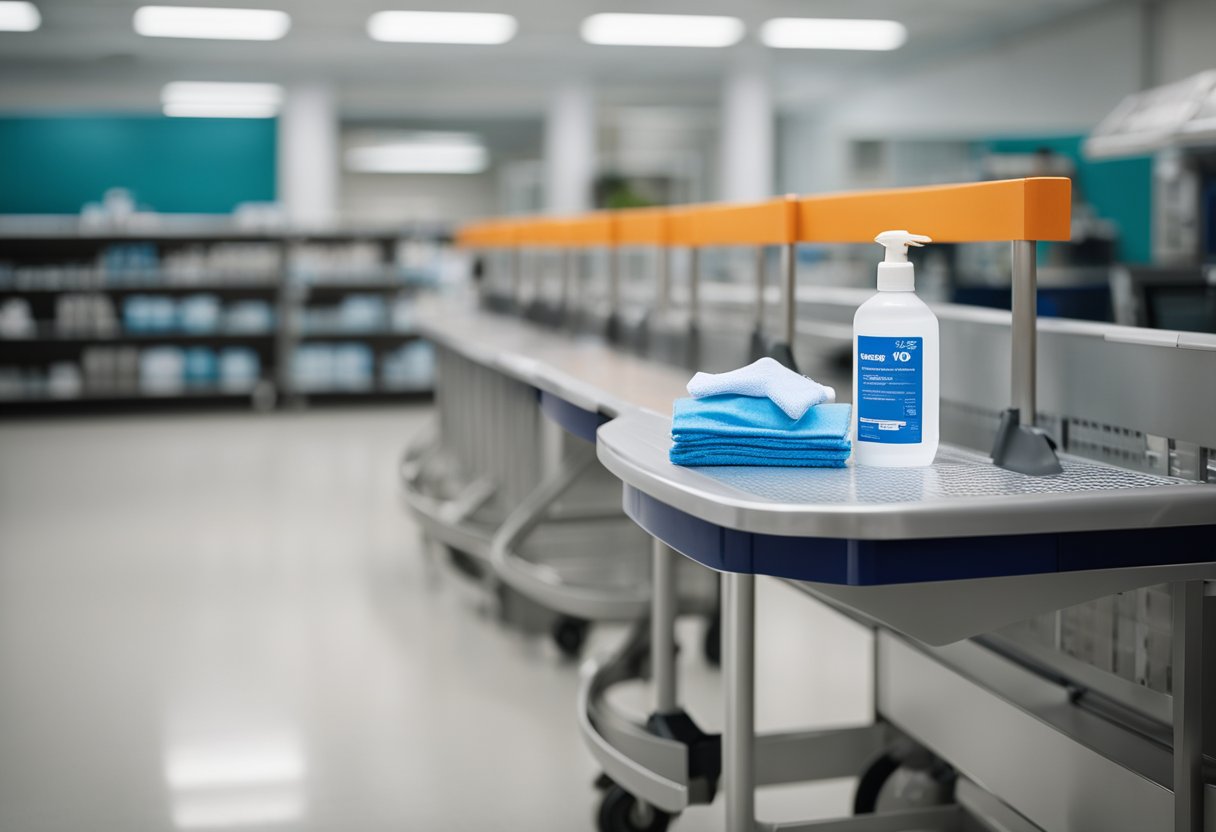
One of the simplest ways to maintain cleanliness in the workplace is to encourage employees to keep their workstations tidy. Cluttered desks can be a breeding ground for germs, making it difficult to clean and sanitise the area properly. Providing employees with cleaning supplies and encouraging them to wipe down their workstations regularly can go a long way in preventing the spread of germs.
Another effective way to sanitise the office is to hire a professional cleaning service. These services have the necessary equipment and expertise to deep clean and disinfect the workplace thoroughly. They can also help identify high-touch areas that require more attention, such as doorknobs, light switches, and shared equipment. Regular cleaning by professionals can help maintain a healthy and safe work environment for everyone.
Understanding Office Germs and Bacteria
Maintaining a clean and hygienic office environment is essential for the health and well-being of employees. Germs and bacteria are present in every office, and they can spread quickly, causing illnesses and infections. Understanding the sources of germs in the office and the impact of COVID-19 on office hygiene is crucial in preventing the spread of diseases.
Common Sources of Germs in the Office
Germs and bacteria can be found in various places in the office, including:
- Desktops, keyboards, and mice
- Door handles and light switches
- Telephones and headsets
- Kitchen and breakroom areas
- Restrooms and toilet handles
- Shared office equipment, such as printers and copiers
These areas are frequently touched by multiple people, making them a breeding ground for germs and bacteria. Regular cleaning and disinfecting of these surfaces can help reduce the spread of illnesses.
Impact of COVID-19 on Office Hygiene
The COVID-19 pandemic has highlighted the importance of maintaining a clean and hygienic office environment. The virus can survive on surfaces for several hours, making it essential to disinfect frequently touched surfaces regularly.
Employers should implement measures such as providing hand sanitisers and disinfectant wipes in the office, encouraging employees to practice good hand hygiene, and promoting social distancing. Regular cleaning and disinfecting of the office should also be carried out to prevent the spread of COVID-19 and other illnesses.
In conclusion, understanding the sources of germs in the office and the impact of COVID-19 on office hygiene is crucial in maintaining a clean and healthy workplace. By implementing measures to prevent the spread of germs and bacteria, employers can help protect the health and well-being of their employees.
Routine Cleaning and Disinfecting Strategies

Maintaining a clean and sanitised workplace is essential to ensure the health and safety of all employees. Routine cleaning and disinfecting strategies should be implemented to keep the office environment clean and free from harmful germs and bacteria. In this section, we will discuss some effective cleaning and disinfecting strategies that should be followed on a regular basis.
Daily Sanitising Practices
Daily sanitising practices are crucial to maintain a clean and healthy workplace. It is recommended to use disinfectant wipes to clean frequently touched surfaces such as doorknobs, light switches, keyboards, and phones. Regular dusting and vacuuming should be done to keep the office free from dust and dirt. Hand sanitizers should be made available at different locations in the office to encourage employees to maintain good hand hygiene.
Deep Cleaning Protocols
Deep cleaning protocols should be followed periodically to ensure a thorough cleaning of the workplace. This involves cleaning and disinfecting all surfaces, including floors, walls, and ceilings. It is recommended to hire a professional cleaning service to perform deep cleaning at least once a month. This will help to eliminate any hidden germs and bacteria that may be present in the office.
Disinfecting High-Touch Areas
High-touch areas such as door handles, elevator buttons, and shared equipment should be disinfected frequently to prevent the spread of germs. It is recommended to use a disinfectant spray or wipe to clean these surfaces. Employees should also be encouraged to clean and disinfect their own workstations regularly.
In conclusion, following routine cleaning and disinfecting strategies is essential to maintain a clean and healthy workplace. By implementing daily sanitising practices, deep cleaning protocols, and disinfecting high-touch areas, employees can work in a clean and safe environment.
Best Practices for a Hygienic Office Environment
Maintaining a clean and hygienic office environment is crucial for the health and wellbeing of employees. Here are some best practices that can help to ensure a safe and healthy workplace.
Hand Hygiene
One of the most effective ways to prevent the spread of germs in the office is through regular hand washing and sanitising. Employers should encourage employees to wash their hands frequently with soap and water for at least 20 seconds. In addition, hand sanitiser should be made easily accessible throughout the office, particularly in high-traffic areas such as entrances, exits, and break rooms.
Maintaining Social Distancing
Maintaining social distancing is another important practice for a hygienic office environment. Employers should encourage employees to maintain a distance of at least 2 meters from each other whenever possible. This can be achieved through the use of signage, floor markings, and rearranging workspaces to ensure adequate spacing between employees.
Implementing Health and Safety Signage
Effective communication is key to maintaining a hygienic office environment. Employers should use clear and concise health and safety signage throughout the office to remind employees of best practices and guidelines. This can include signage for hand washing and sanitising, social distancing, and other health and safety protocols.
By implementing these best practices, employers can help to create a clean and hygienic office environment that promotes the health and wellbeing of employees.
Leveraging Professional Services and Technologies
Choosing a Professional Cleaning Company
Maintaining a clean environment is crucial for the health and productivity of employees. Hiring a professional cleaning company can ensure that your office is thoroughly cleaned and sanitised regularly. When choosing a professional cleaning company, it is important to consider their experience, reputation, and expertise in office cleaning.
A reliable cleaning company should have a team of trained professionals who use effective cleaning products and methods to remove dirt, dust, and germs from your office. They should also be able to provide customised cleaning plans that meet your specific needs and budget.
Innovations in Sanitisation Technology
In addition to professional cleaning services, there are also innovative sanitisation technologies available that can help maintain a clean and healthy office environment. These technologies include digital signage, remote work, virtual meetings, and clean desk policies.
Digital signage can be used to remind employees to wash their hands, wear masks, and maintain social distancing. Remote work and virtual meetings can reduce the number of people in the office and minimise the risk of infection. Clean desk policies can help prevent the spread of germs by requiring employees to keep their workspaces clean and sanitised.
There are also advanced sanitisation technologies such as UV-C light disinfection systems and electrostatic sprayers that can kill germs and viruses on surfaces. These technologies can be used in addition to regular cleaning and sanitisation to provide an extra layer of protection against infections.
By leveraging professional services and technologies, businesses can create a clean and healthy office environment that promotes productivity and employee well-being.
Do you need office cleaning in Manchester? Contact us today for a free quote.
Other Recent Posts You Might Be Interested In …
- Pros and Cons of an Office Robot Carpet Cleaner: A Comprehensive Review
- Ways to Sanitise Your Office: Tips for a Clean and Healthy Workplace
- Tips for Tidying Before Your Office Cleaner Arrives: A Guide to Pre-Cleaning Preparation
- How to Reduce Cleaning Costs for Your Office: Expert Tips
- How Frequently Should Your Office Be Cleaned? A Guide to Maintaining a Clean Workplace
- Maximise Office Hygiene: Benefits of Hiring a Professional Window Cleaner
- How to Clean a Computer Keyboard: Your Step-by-Step Guide
- Benefits of Using Professional Cleaners for Your Office: Why It’s Worth the Investment
- Top 15 Spring Cleaning Tips for the Office
- Effective Methods for Removing Mould From Walls
- Eco-friendly Office Cleaning Tips
- Gym Cleaning Checklist and Cleaning Schedule
- Easy Microwave Cleaning Tips
- 10 Tips and Hacks When Cleaning an Office: Streamline Your Workspace Maintenance
- Pub Cleaning Checklist
- Office Kitchen Cleaning Tips for a Hygienic Workplace
- How to Clean Office Radiators: A Step-by-Step Guide
- 5 Uses Of Baking Soda When Cleaning Your Office
- The Ultimate Guide To How To Clean Your Leather Office Chair
- How Does Steam Cleaning Work: Unveiling the Mechanics of Steam Sanitation
- How to Clean with Apple Cider Vinegar: A Guide for Eco-Friendly Home Hygiene
- How To Remove Red Wine Stains
- Maximising Office Health and Safety with Disinfectant Fogging In The Office