Maintaining a clean and hygienic office environment is crucial for the health and wellbeing of employees. However, the question of how frequently an office should be cleaned is often a topic of debate. While some offices may require daily cleaning, others may only need weekly or monthly cleaning.
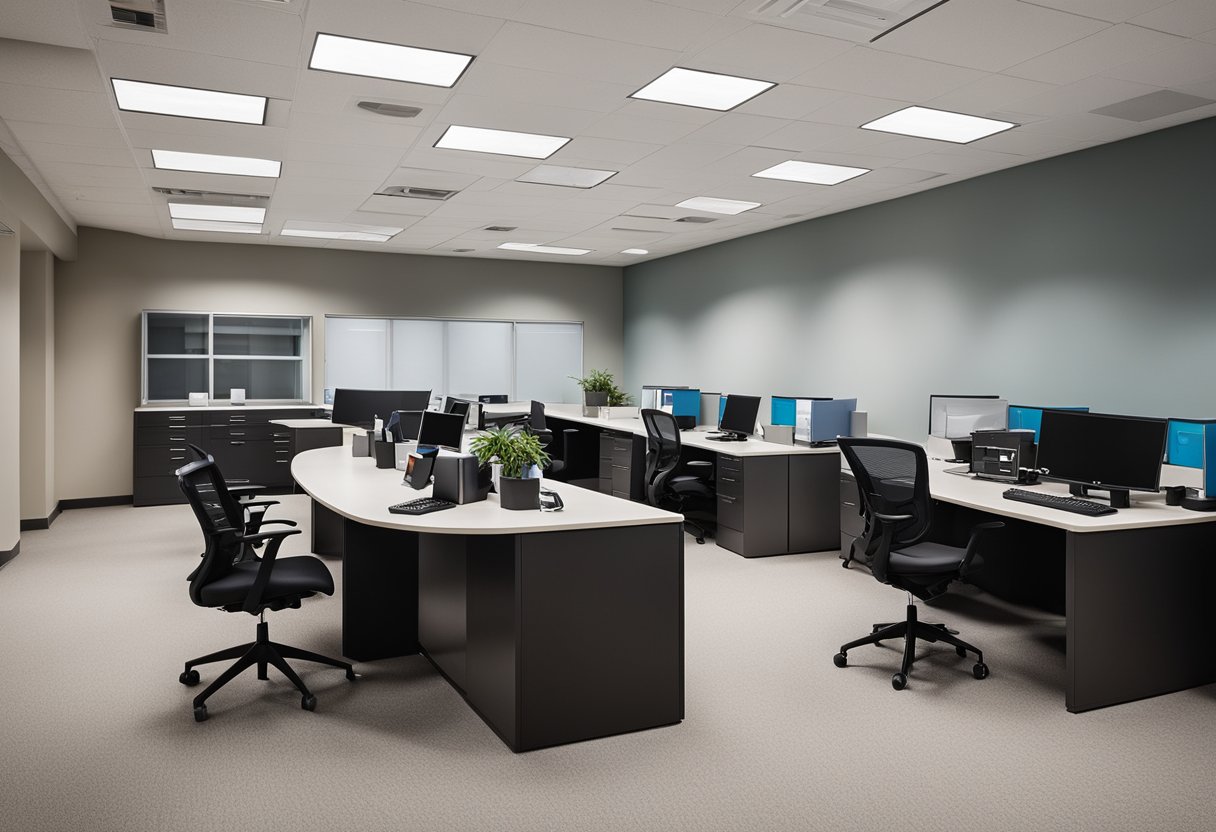
The frequency of office cleaning largely depends on the size of the office, the number of employees, and the nature of the work being done. For example, an office with a large number of employees may require more frequent cleaning than a smaller office with fewer employees. Similarly, an office that deals with food or medical products may require more frequent cleaning than an office that deals with paperwork.
In addition to the size and nature of the office, the frequency of cleaning may also depend on the specific cleaning needs of the office. For instance, high-traffic areas such as door handles, light switches, and elevator buttons may require daily cleaning to prevent the spread of germs. Ultimately, the decision of how frequently an office should be cleaned should be based on a careful assessment of the office’s cleaning needs.
Determining Cleaning Frequency
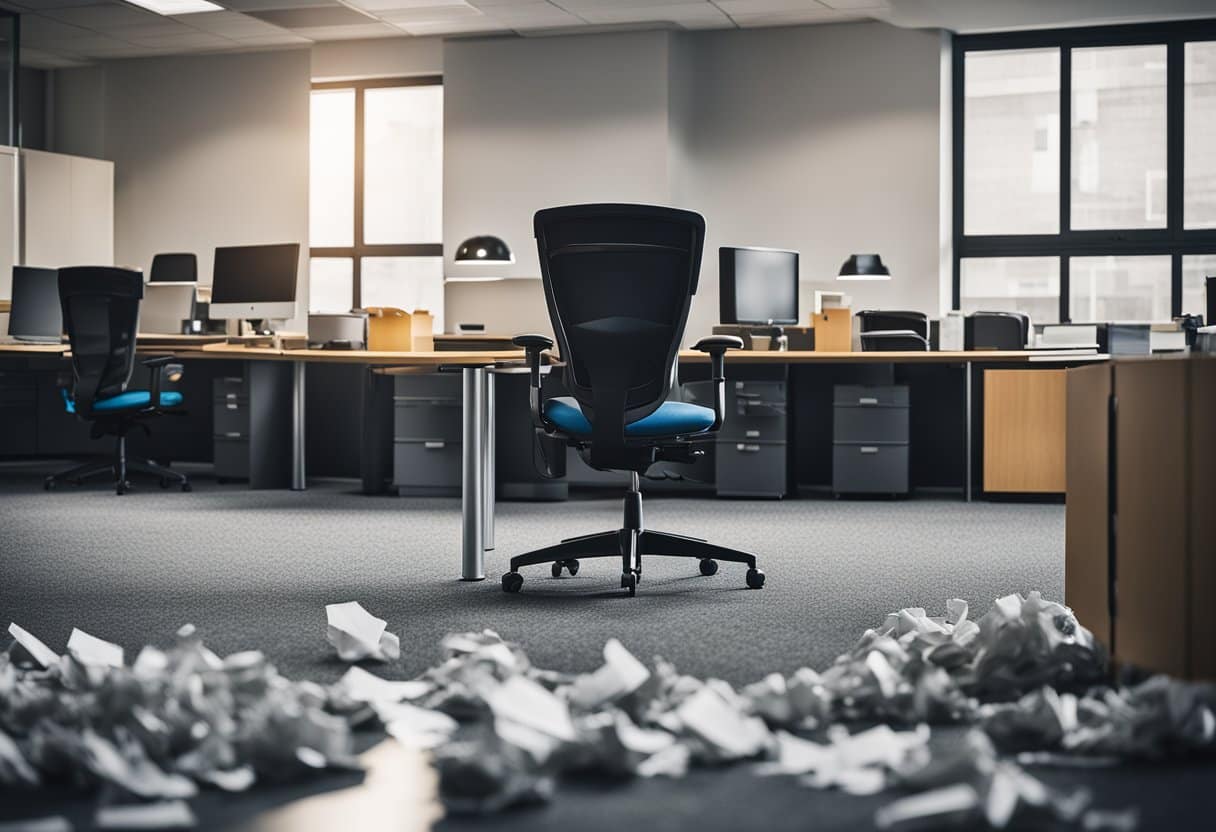
Maintaining a clean and hygienic office is essential for the health and safety of employees and visitors. Determining the appropriate cleaning frequency for an office requires consideration of several factors.
Assessing Office Traffic
The amount of traffic an office receives is a critical factor in determining its cleaning frequency. High-traffic areas, such as lobbies, break rooms, and restrooms, require more frequent cleaning to prevent the spread of germs and bacteria. In contrast, low-traffic areas, such as private offices, may not require as frequent cleaning.
Understanding Business Type
Different types of businesses have different cleaning needs. For example, a medical office requires a higher level of cleanliness due to the nature of the business, while a law firm may not require the same level of attention. Businesses with a large number of employees may also require more frequent cleaning to ensure a healthy and safe environment.
Health and Safety Regulations
Health and safety regulations can play a role in determining cleaning frequency. The Health and Safety at Work Act 1974 requires employers to provide a safe and healthy working environment for their employees. Failure to comply with these regulations can result in fines and legal action. Employers must, therefore, ensure that their cleaning frequency meets the required standards.
In conclusion, determining the appropriate cleaning frequency for an office requires consideration of several factors, including office traffic, business type, and health and safety regulations. Employers must ensure that their cleaning frequency meets the required standards to provide a healthy and safe working environment for their employees.
Daily, Weekly, and Monthly Cleaning Tasks
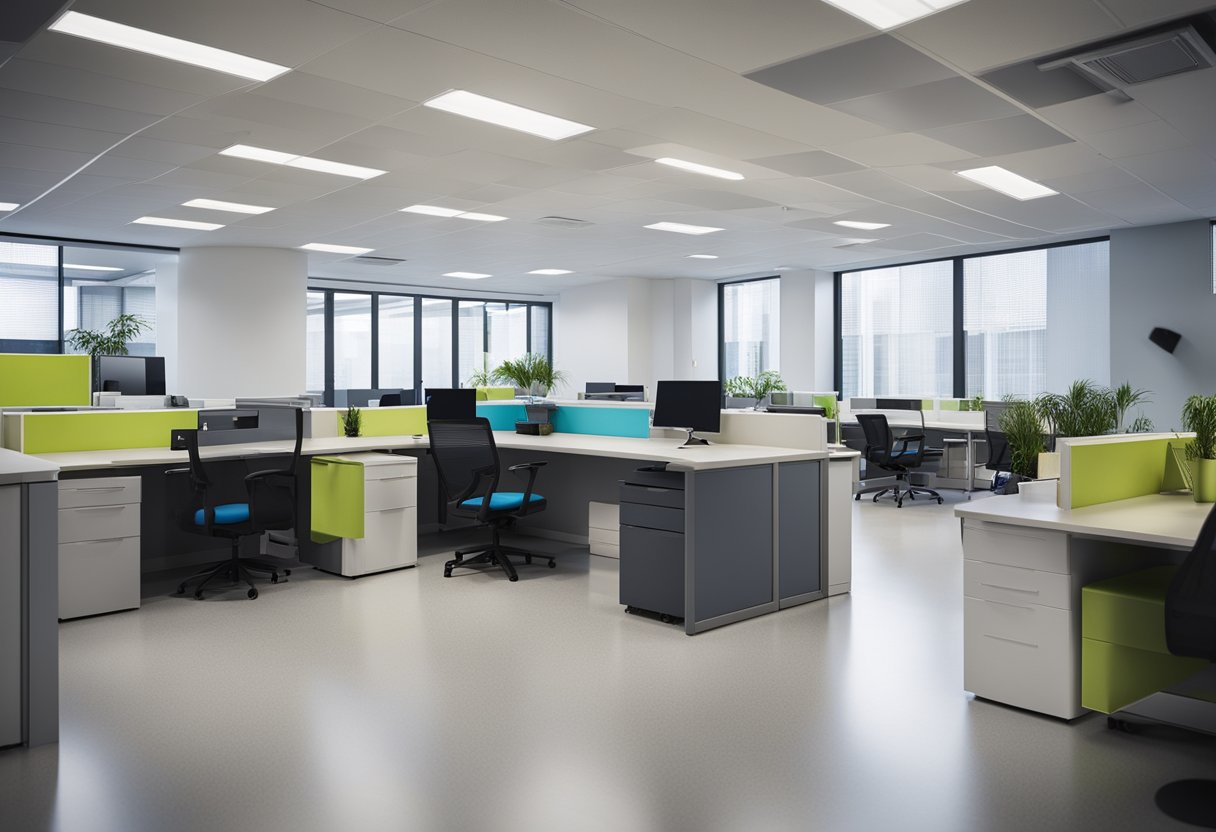
When it comes to keeping an office clean, there are certain tasks that need to be done on a daily, weekly, and monthly basis. Below are some of the essential cleaning tasks that should be performed regularly to maintain a clean and healthy workplace.
Daily Cleaning Essentials
Daily cleaning tasks are important to keep the office clean and hygienic. These tasks include sweeping and mopping the floors, wiping down surfaces, and emptying the bins. It is also important to disinfect high-touch surfaces such as doorknobs, light switches, and keyboards to prevent the spread of germs.
Weekly Cleaning Activities
In addition to daily cleaning tasks, there are certain cleaning activities that should be done on a weekly basis. These tasks include vacuuming the carpets, dusting the furniture, and cleaning the bathrooms. It is also important to clean the kitchen and break room areas to prevent the buildup of food debris and bacteria.
Monthly Cleaning Focus
Finally, there are certain cleaning tasks that only need to be done on a monthly basis. These tasks include deep cleaning the carpets and upholstery, cleaning the windows, and dusting hard-to-reach areas such as ceiling fans and light fixtures. It is also important to clean and disinfect the office equipment, such as printers and copiers, to prevent the spread of germs.
By following a regular office cleaning checklist that includes daily, weekly, and monthly tasks, you can maintain a clean and healthy workplace for your employees and visitors.
Deep Cleaning and Professional Services
Scheduling Deep Cleans
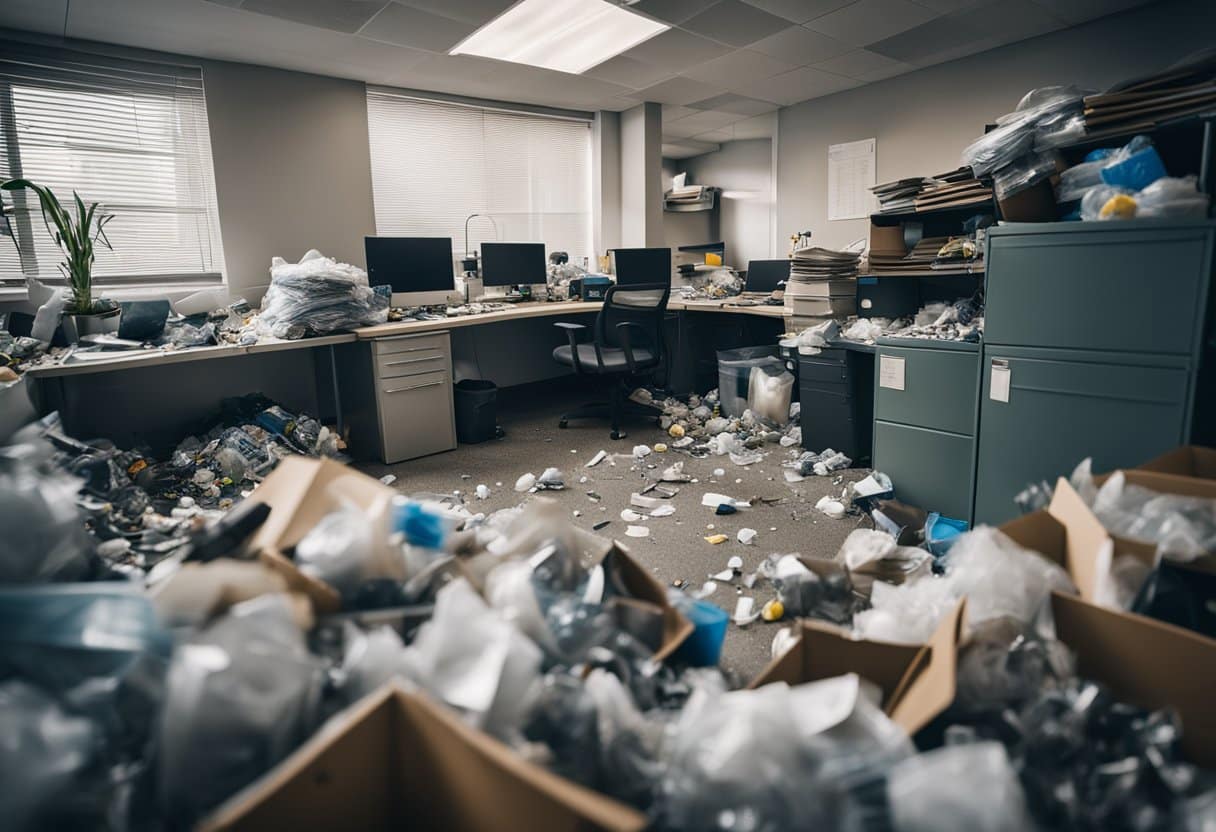
Regular cleaning is essential to maintain a clean and healthy workplace, but sometimes a deep clean is necessary to ensure that all areas are thoroughly cleaned and disinfected. A deep clean involves cleaning areas that are not typically cleaned during regular cleaning, such as behind furniture, under carpets, and on top of shelves.
The frequency of deep cleaning will depend on the size and type of office, the number of employees, and the type of work that is carried out. For example, an office with a high footfall and lots of visitors may require more frequent deep cleaning than a small office with only a few employees.
It is recommended that offices schedule a deep clean at least once a year, but this may need to be increased if the office is particularly busy or if there are health and safety concerns.
Hiring Professional Cleaners
While regular cleaning can be carried out by in-house staff, deep cleaning requires specialist equipment and knowledge. Hiring a professional cleaning company is often the best option to ensure that a deep clean is carried out to a high standard.
A professional cleaning company will have the equipment and expertise to clean all areas of the office, including carpets, upholstered furniture, curtains, and blinds. They will also use specialist cleaning products to ensure that all areas are thoroughly disinfected.
When hiring a professional cleaning company, it is important to choose a reputable and experienced company. Look for a commercial cleaning company that has experience in office deep cleaning and has good reviews from previous clients.
In summary, scheduling a deep clean at least once a year and hiring a professional cleaning company can help to ensure that your office is clean and healthy. Regular cleaning is important, but a deep clean will help to remove dirt, dust, and bacteria that can accumulate over time.
Creating an Effective Cleaning Schedule
Maintaining a clean and hygienic office space is essential for a healthy work environment. An effective cleaning schedule ensures that all areas of the office are regularly cleaned, helping to prevent the spread of germs and bacteria.
Office Cleaning Routine
An office cleaning routine should be established to ensure that all areas of the workspace are adequately cleaned. This routine should include daily, weekly, and monthly cleaning tasks. Daily cleaning tasks should include wiping down surfaces, sanitizing high-touch areas such as door handles and light switches, and emptying trash cans. Weekly cleaning tasks should include vacuuming or mopping floors, dusting surfaces, and cleaning restrooms. Monthly cleaning tasks should include deep-cleaning carpets and upholstery, cleaning windows, and sanitizing keyboards and other office equipment.
It is important to ensure that the cleaning routine is followed consistently to maintain a clean and healthy work environment. Assigning specific tasks to employees or hiring a professional office cleaning service can help ensure that all cleaning tasks are completed regularly.
Adjusting the Schedule as Needed
The cleaning schedule should be adjusted as needed to accommodate changes in the work environment. For example, if there is an increase in foot traffic in the office, more frequent cleaning may be necessary. Similarly, if there are fewer employees working in the office, the cleaning schedule may need to be adjusted to reflect this.
Regular cleaning not only promotes cleanliness but also helps to create a more productive work environment. A clean workspace can help employees feel more comfortable and focused, leading to increased productivity. Additionally, a well-maintained office space can help make a positive impression on clients and visitors.
Overall, creating an effective cleaning schedule is a cost-effective way to maintain a clean and healthy work environment. By establishing a regular cleaning routine and adjusting it as needed, employers can help ensure that their office space remains clean and welcoming for all employees and visitors.
Do you need office cleaning in Manchester? Contact us today for a free quote.
Other Recent Posts You Might Be Interested In …
- Pros and Cons of an Office Robot Carpet Cleaner: A Comprehensive Review
- Ways to Sanitise Your Office: Tips for a Clean and Healthy Workplace
- Tips for Tidying Before Your Office Cleaner Arrives: A Guide to Pre-Cleaning Preparation
- How to Reduce Cleaning Costs for Your Office: Expert Tips
- How Frequently Should Your Office Be Cleaned? A Guide to Maintaining a Clean Workplace
- Maximise Office Hygiene: Benefits of Hiring a Professional Window Cleaner
- How to Clean a Computer Keyboard: Your Step-by-Step Guide
- Benefits of Using Professional Cleaners for Your Office: Why It’s Worth the Investment
- Top 15 Spring Cleaning Tips for the Office
- Effective Methods for Removing Mould From Walls
- Eco-friendly Office Cleaning Tips
- Gym Cleaning Checklist and Cleaning Schedule
- Easy Microwave Cleaning Tips
- 10 Tips and Hacks When Cleaning an Office: Streamline Your Workspace Maintenance
- Pub Cleaning Checklist
- Office Kitchen Cleaning Tips for a Hygienic Workplace
- How to Clean Office Radiators: A Step-by-Step Guide
- 5 Uses Of Baking Soda When Cleaning Your Office
- The Ultimate Guide To How To Clean Your Leather Office Chair
- How Does Steam Cleaning Work: Unveiling the Mechanics of Steam Sanitation
- How to Clean with Apple Cider Vinegar: A Guide for Eco-Friendly Home Hygiene
- How To Remove Red Wine Stains
- Maximising Office Health and Safety with Disinfectant Fogging In The Office