
Introduction: Effective Methods for Removing Mould From Walls
Mould, a type of fungus that thrives in damp and poorly ventilated areas, can be a persistent problem in many homes and offices. If left unchecked, it can cause not only structural damage but also health issues for the residents and office workers. Understanding how to identify, remove, and prevent mould growth is essential for maintaining a safe and healthy living environment. In this article, we will explore effective methods for removing mould from walls and discuss preventive measures to stop its recurrence.
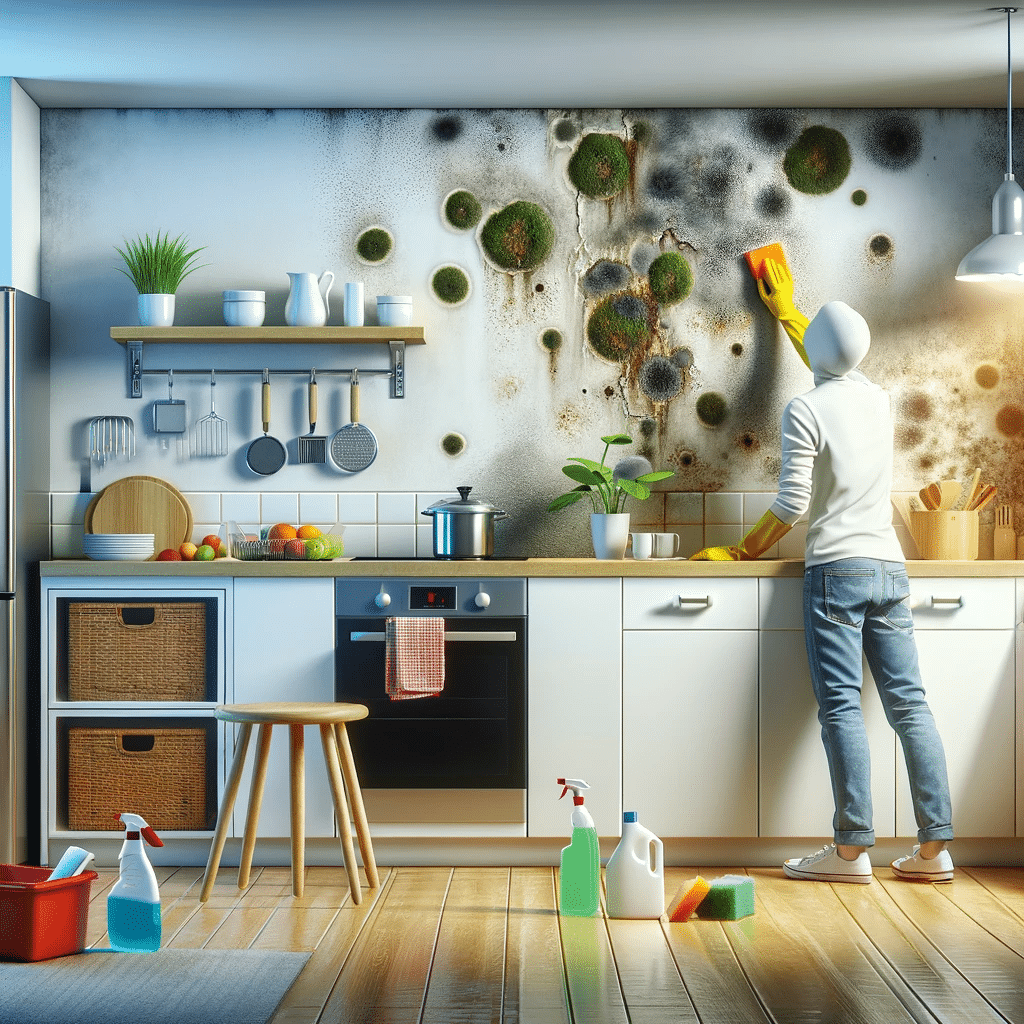
How to Identify Mould on Walls
Recognising Mould Spots
Mould typically appears as dark, fuzzy spots or patches on walls and ceilings. These spots may vary in colour, ranging from green and black to brown or even white, depending on the type of mould present.
Distinguishing Mould from Mildew
It’s important to differentiate between mould and mildew, as they require different treatment methods. While mould tends to have a fuzzy or slimy texture and can penetrate the surface, mildew is typically powdery and superficial.
Common Places for Mould Growth
Mould tends to thrive in areas with high moisture levels, such as bathrooms, kitchens, and basements. It can also develop on walls near leaking pipes, windows, or roofs.
What Causes Mould to Form on Walls
Understanding the Role of Dampness
Dampness provides the ideal environment for mould growth. It can be caused by water leaks, condensation, or high humidity levels, all of which contribute to creating a moisture-rich habitat for mould spores to flourish.
Impact of Poor Ventilation
Inadequate ventilation impedes the circulation of air and contributes to trapping moisture indoors, promoting mould growth. Areas with poor airflow, such as closed-off rooms or spaces without windows, are particularly prone to mould infestations.
Effects of Excess Moisture
Excessive moisture in the air, whether from drying clothes indoors or using humidifiers excessively, can lead to damp conditions that are conducive to mould development. Additionally, water seepage through walls or ceilings can also create a breeding ground for mould.
Effective Methods for Removing Mould
Using Bleach to Remove Mould
Bleach is a potent mould remover that effectively kills mould spores and removes stains. Dilute bleach with water, apply it to the affected area and scrub the surface thoroughly. Remember to wear rubber gloves and ensure proper ventilation when using bleach.
Natural Remedies for Mould Removal
White vinegar is a natural alternative for removing mould. Its acidic properties make it effective in killing mould and preventing its regrowth. Simply spray or wipe the affected area with undiluted white vinegar and allow it to sit for a few hours before scrubbing away the mould.
Applying Commercial Mould Removers
There are various commercial mould removers available in the market that are specifically formulated to eliminate mould. These products come in spray or liquid form and are designed to target and destroy mould spores. Follow the instructions provided by the manufacturer when using these products for optimal results.
Preventive Measures to Stop Mould Growth
Importance of Proper Ventilation
Proper ventilation is crucial for reducing moisture levels and preventing mould formation. Open windows and use exhaust fans in areas prone to moisture buildup, such as bathrooms and kitchens, to facilitate air circulation and discourage mould growth.
How to Control Humidity Levels
Monitor and control indoor humidity levels to hinder mould proliferation. Using dehumidifiers or air conditioners can help regulate humidity, keeping it within the recommended range of 30-50% to discourage mould development.
Maintaining Clean and Dry Surfaces
Regularly clean and dry surfaces prone to moisture, such as walls, ceilings, and grout, to prevent mould buildup. Promptly address any water leaks or spills to prevent excessive moisture from accumulating and fostering mould growth.
Dealing with Severe Mould Infestations
Seeking Professional Mould Removal Services
For extensive or persistent mould infestations, it’s advisable to seek professional mould removal services. Experienced professionals have the expertise and specialized equipment to thoroughly eradicate mould and address the underlying causes of the infestation.
Understanding Health Risks of Severe Mould
Severe mould infestations can pose significant health risks, including respiratory issues, allergies, and skin irritation. It is crucial to address severe mould problems promptly to safeguard the health of the occupants and maintain a safe living environment.
Replacing Mould-Infested Materials
In cases where mould has extensively damaged materials such as drywall or insulation, it may be necessary to remove and replace the affected components to ensure complete elimination of mould and prevent its recurrence.
Do you need office cleaning in Manchester? Contact us today for a free quote.
Other Recent Posts You Might Be Interested In …
- Pros and Cons of an Office Robot Carpet Cleaner: A Comprehensive Review
- Ways to Sanitise Your Office: Tips for a Clean and Healthy Workplace
- Tips for Tidying Before Your Office Cleaner Arrives: A Guide to Pre-Cleaning Preparation
- How to Reduce Cleaning Costs for Your Office: Expert Tips
- How Frequently Should Your Office Be Cleaned? A Guide to Maintaining a Clean Workplace
- Maximise Office Hygiene: Benefits of Hiring a Professional Window Cleaner
- How to Clean a Computer Keyboard: Your Step-by-Step Guide
- Benefits of Using Professional Cleaners for Your Office: Why It’s Worth the Investment
- Top 15 Spring Cleaning Tips for the Office
- Effective Methods for Removing Mould From Walls
- Eco-friendly Office Cleaning Tips
- Gym Cleaning Checklist and Cleaning Schedule
- Easy Microwave Cleaning Tips
- 10 Tips and Hacks When Cleaning an Office: Streamline Your Workspace Maintenance
- Pub Cleaning Checklist
- Office Kitchen Cleaning Tips for a Hygienic Workplace
- How to Clean Office Radiators: A Step-by-Step Guide
- 5 Uses Of Baking Soda When Cleaning Your Office
- The Ultimate Guide To How To Clean Your Leather Office Chair
- How Does Steam Cleaning Work: Unveiling the Mechanics of Steam Sanitation